The Art of Watering Indoor Plants
Master the fundamental skill that keeps your houseplants thriving and healthy year-round.
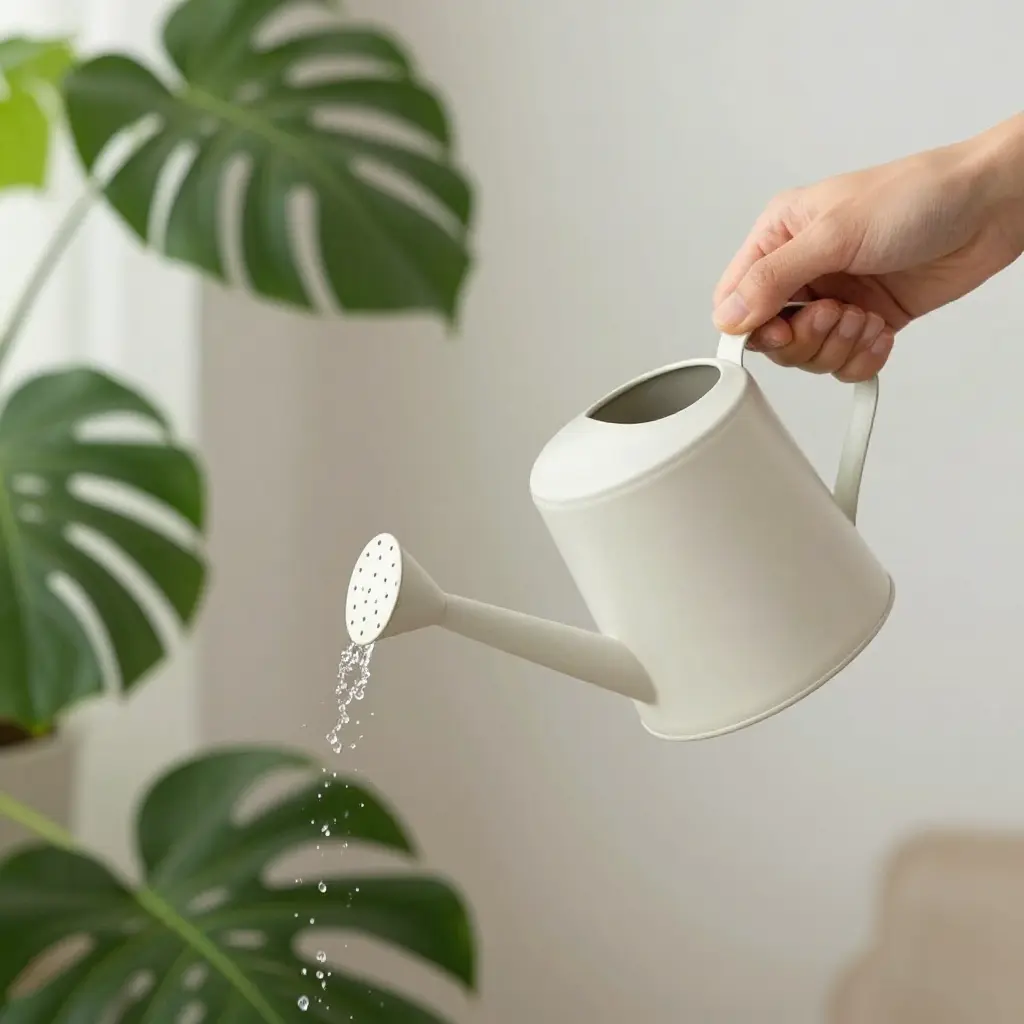
Understanding Plant Hydration
Watering is one of the most important aspects of plant care, yet it's often misunderstood. Each plant has unique water requirements based on its native environment, current growing conditions, and seasonal needs.
Learning to read your plants and understand their signals helps with successful indoor gardening. Unlike outdoor plants that receive natural rainfall, indoor plants depend entirely on you for their moisture needs.
Essential Watering Knowledge
This responsibility comes with the opportunity to provide precisely what each plant requires for optimal health. Understanding your plant's specific needs will help you develop the right watering habits.
Signs of Overwatering
Yellow leaves, mushy stems, mold on soil surface, and a persistent soggy feel to the potting mix indicate excess water.
Signs of Underwatering
Wilting leaves, dry and cracked soil, brown leaf edges, and leaves dropping unexpectedly suggest your plant needs more water.
Watering Techniques That Work
The method you use to water your plants matters as much as the frequency. Different techniques suit different plant types and pot configurations.
Top Watering Method
The most common approach involves pouring water directly onto the soil surface. Water slowly and evenly until you see moisture draining from the bottom. This ensures thorough hydration and helps flush out accumulated salts from fertilizers.
Bottom Watering Method
Place your pot in a tray of water and allow the soil to absorb moisture from below. This technique encourages deeper root growth and is excellent for plants that are sensitive to wet foliage. Remove the pot once the top layer feels moist.
Misting for Humidity
While misting doesn't replace proper watering, it helps increase humidity around tropical plants. Use a fine mist spray bottle in the morning so leaves can dry before evening.
Creating a Watering Schedule
Rather than following a rigid calendar, develop a routine based on actually checking your plants. Most houseplants prefer to dry out slightly between waterings. Here's a general framework to adapt:
- Tropical foliage plants: Water when top inch of soil feels dry
- Succulents and cacti: Allow soil to dry completely between waterings
- Ferns and humidity lovers: Keep soil consistently moist but not waterlogged
- Flowering plants: Follow specific care guidelines as blooming affects water needs
Adjust your schedule seasonally. Plants typically need less water during fall and winter when growth slows, and more during active growing seasons in spring and summer.
Practical Watering Tips
Helpful insights to improve your plant care routine.
Use Room Temperature Water
Cold water can shock plant roots. Let tap water sit overnight to reach room temperature and allow chlorine to dissipate.
Water in the Morning
Morning watering gives plants time to absorb moisture before cooler evening temperatures arrive.
Consider Your Pot Material
Terra cotta pots dry out faster than plastic or glazed ceramic. Adjust watering frequency based on pot type.
Group Plants Strategically
Cluster plants with similar water needs together for more efficient care and increased ambient humidity.
Need Personalized Advice?
Our plant care team is here to help you develop a suitable watering routine for your indoor garden.
Contact Us